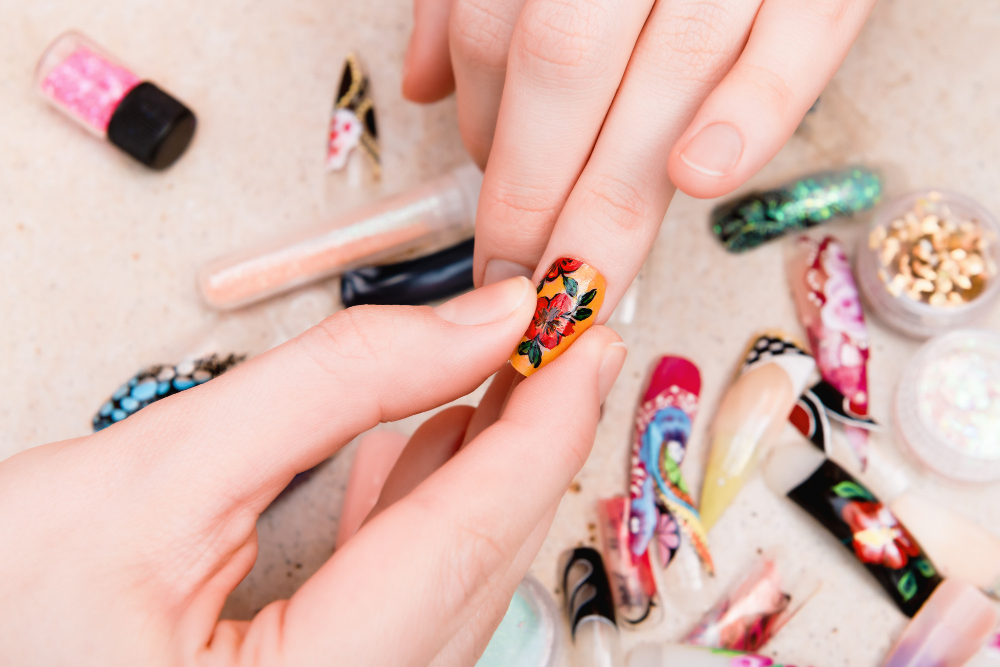
If you are interested in beauty, creativity, and professional salon services, learning nail art can be a valuable skill to develop. A well-structured nail art course in Lahore can help beginners understand nail preparation, manicure basics, creative designs, product handling, hygiene, and client care.
Cosmetology Edge offers beauty and cosmetology-focused training for learners who want to develop practical skills for the salon and beauty industry. A nail art program can help students build their confidence through structured learning and hands-on practice.
Whether you are completely new to nail art or already have basic beauty skills, proper training can help you understand the techniques behind attractive and professional-looking nails.
What Is a Nail Art Course?
A nail art course teaches students how to prepare nails and create different decorative designs using appropriate tools and products. Depending on the curriculum, students may learn basic manicure techniques, nail shaping, polish application, decorative patterns, and other salon-oriented nail services.
Nail art is not only about painting different colors on nails. Professional-looking results require attention to:
- Nail preparation
- Nail shape and length
- Product selection
- Color combinations
- Design placement
- Precision and control
- Hygiene and sanitation
- Client preferences
- Aftercare
A structured nail art course in Lahore can bring these elements together so learners can develop their skills step by step.
Why Learn Nail Art in Lahore?
Lahore has a large beauty and salon market, which creates opportunities for people interested in developing beauty-related skills. Nail services are commonly included in modern beauty and salon menus, ranging from simple manicures to creative nail designs.
Learning locally can also make training more convenient for students who live in Lahore or nearby areas.
A professional nail art training program can be useful if you want to:
- Learn nail art from the basics
- Improve your existing salon skills
- Add nail services to your beauty portfolio
- Develop creative design techniques
- Prepare for salon-based work
- Build skills for freelance beauty services
- Explore a career in the beauty industry
Your results will depend on practice, consistency, course content, and the level of practical training you receive.
What You Can Learn in a Nail Art Course
The exact syllabus depends on the training program. However, a comprehensive nail art course may cover several important areas.
1. Nail Anatomy and Basic Nail Care
Understanding natural nails is an important starting point.
Students can learn about:
- Basic nail structure
- Nail growth
- Common nail concerns
- Nail shape and length
- Basic nail care
- When to avoid performing a nail service
This foundation helps learners recognize that good nail art starts with healthy-looking and properly prepared nails.
2. Manicure Fundamentals
Manicure knowledge can support nail art training.
Students may learn basic procedures such as:
- Nail cleaning
- Nail shaping
- Cuticle care
- Surface preparation
- Basic polish application
- Finishing techniques
Proper preparation can make nail art look cleaner and help improve the overall appearance of the finished service.
3. Nail Shaping
Different nail shapes create different visual effects.
Depending on the course curriculum, students may practice shapes such as:
- Round
- Square
- Squoval
- Oval
- Almond
- Coffin
Students can learn how to select and create shapes according to nail length, design requirements, and client preferences.
4. Nail Polish Application
Smooth polish application requires practice and control.
Training may cover:
- Base coat application
- Color application
- Layering
- Top coat application
- Avoiding polish around the cuticle
- Creating a clean finish
Students can practice different application techniques to improve precision.
Nail Art Design Techniques
The creative part of the course allows students to explore different design styles.
Simple Nail Art
Beginners can start with straightforward designs such as:
- Dots
- Lines
- Waves
- French tips
- Simple flowers
- Geometric patterns
- Color blocking
These techniques help students develop hand control and design accuracy.
Advanced Nail Art
As students become more comfortable, they can explore more detailed designs depending on the available curriculum and equipment.
Examples may include:
- Floral nail art
- Abstract designs
- Minimalist nail art
- Glitter designs
- Seasonal designs
- Bridal-inspired designs
- Decorative patterns
- Combination designs
Creative nail art requires practice, patience, and an understanding of color and composition.
Nail Art Tools and Products
A good nail art course should introduce students to the tools they may encounter in professional nail services.
These may include:
- Nail files
- Buffers
- Nail brushes
- Dotting tools
- Detail brushes
- Nail polish
- Base coats
- Top coats
- Decorative elements
- Glitter
- Nail stickers
- Other appropriate nail-art accessories
Students should also learn how to use and maintain tools appropriately.
Product selection matters as well. Learners should understand how different products are intended to be used and follow manufacturer instructions.
Hygiene and Sanitation in Nail Services
Hygiene is one of the most important parts of professional beauty training.
During a nail art course in Lahore, students should understand appropriate hygiene practices, including:
- Cleaning work surfaces
- Proper hand hygiene
- Cleaning and disinfecting reusable tools appropriately
- Using suitable disposable items where required
- Keeping products organized
- Avoiding cross-contamination
- Maintaining a clean workstation
Training should also cover situations where a nail service should be postponed or avoided, particularly when there are signs of infection, injury, or another condition requiring professional attention.
Good hygiene protects both the client and the beauty professional.
Color Theory for Nail Art
Color selection can significantly influence the appearance of nail designs.
Students can learn basic concepts such as:
- Primary and secondary colors
- Warm and cool colors
- Complementary colors
- Neutral shades
- Color combinations
- Contrast
- Seasonal color palettes
For example, neutral shades may work well for minimalist looks, while contrasting colors can create more noticeable designs.
Understanding color theory gives nail artists more creative control instead of relying only on predefined designs.
Nail Art for Different Occasions
Clients may want different nail designs depending on the occasion.
A nail art course can help learners develop designs suitable for:
Everyday Wear
Simple and elegant designs can be suitable for everyday clients.
Weddings and Bridal Events
Bridal nail art may include soft colors, glitter, delicate patterns, or other decorative elements.
Parties and Events
Clients may prefer bold colors, decorative details, or statement designs.
Seasonal Nail Art
Students can practice designs inspired by different seasons, holidays, and current beauty trends.
Learning different styles allows a nail artist to offer more variety to clients.
Who Can Join a Nail Art Course?
A nail art course can be suitable for different types of learners.
Beginners
People with no previous nail-art experience can start with basic techniques and gradually develop their skills.
Beauticians
Existing beauticians can add nail art to their current skill set.
Salon Professionals
Salon workers may use additional nail training to expand their service knowledge.
Beauty Entrepreneurs
People planning to develop a beauty business can learn nail services as one part of their overall skill set.
Creative Learners
Anyone who enjoys beauty, design, and detailed creative work may find nail art interesting.
Before enrolling, check the course’s eligibility requirements and practical training structure.
Why Choose Cosmetology Edge for Nail Art Training?
Cosmetology Edge focuses on beauty and cosmetology education, making it an option for learners interested in developing practical beauty skills in Lahore.
When considering a nail art course in Lahore, learners should look beyond the course title and examine what is actually included in the program.
At Cosmetology Edge, students can explore nail-focused skills within a broader beauty-training environment.
Important areas to consider include:
- Course syllabus
- Practical training
- Instructor experience
- Tools and products used during training
- Hygiene education
- Beginner-friendly instruction
- Design practice
- Client-care concepts
Before enrollment, prospective students should confirm the current course schedule, duration, fee, included materials, and certificate details directly with the academy.
Practical Training Matters
Nail art is a skill that improves through repeated practice.
Reading about nail designs can provide theoretical knowledge, but practical work helps learners develop:
- Hand control
- Brush control
- Design precision
- Polish application skills
- Nail shaping ability
- Speed
- Creativity
- Client communication
Students should therefore look for a program that provides sufficient opportunities to practice rather than relying entirely on demonstrations.
How to Choose the Right Nail Art Course in Lahore
Several factors can help you compare available training options.
Check the Course Syllabus
Make sure the program covers the techniques you actually want to learn.
Ask About Practical Sessions
Find out how much hands-on practice is included and whether students practice designs themselves.
Review the Tools and Products
Ask which tools and products are used during training and whether students need to bring their own materials.
Consider Hygiene Training
A professional course should not focus only on designs. Hygiene, sanitation, and client safety should also be addressed.
Ask About Course Completion Documents
If the academy provides a certificate or other completion document, confirm exactly what it represents and whether it is a course-completion certificate rather than a regulated professional license or formal qualification.
Check the Current Schedule
Course schedules, fees, class timings, and availability can change. Always confirm the latest information before enrollment.
Nail Art Course vs. Nail Technician Training
These terms can sometimes be used interchangeably, but they may describe different training scopes.
A nail art course may concentrate primarily on decorative nail designs, preparation, polish techniques, and creative skills.
A broader nail technician course may include additional areas such as manicure and pedicure services, artificial nail systems, extensions, maintenance, and other professional nail services.
Therefore, your choice should depend on your career goals.
If your main interest is creative nail decoration, a focused nail art program may be appropriate. If you want broader professional nail-service training, look for a more comprehensive curriculum.
Career Opportunities After Nail Art Training
Learning nail art can support several career directions, depending on your skills, experience, local requirements, and the services you are qualified to provide.
Possible paths include:
- Nail artist
- Salon beauty professional
- Freelance nail artist
- Bridal beauty service provider
- Nail-service assistant
- Beauty entrepreneur
- Home-based beauty service provider
Some learners may eventually combine nail art with other skills such as makeup, hairstyling, skincare, or manicure services.
However, completing a course does not automatically guarantee employment, clients, or business income. Building a portfolio and gaining practical experience are important parts of professional development.
Build a Nail Art Portfolio
A portfolio can help demonstrate your skills to potential clients or employers.
Students can photograph their practice work and organize it into categories such as:
- Minimal nail art
- French designs
- Floral designs
- Bridal nails
- Glitter designs
- Seasonal designs
- Abstract designs
- Nail extensions, if included in training
Use clear, well-lit photographs and show different styles rather than repeatedly presenting the same design.
A strong portfolio can also help you identify areas where you need more practice.
Final Thoughts
A nail art course in Lahore can be a useful way to develop creative and practical beauty skills. From nail preparation and shaping to color selection, decorative techniques, hygiene, and client care, structured training can give beginners a foundation for continued practice.
Cosmetology Edge provides a beauty and cosmetology training environment for learners interested in developing professional beauty skills. Before enrolling, review the current syllabus, practical sessions, course requirements, fees, schedule, and completion documentation.
With consistent practice and attention to detail, nail art can become an important addition to a broader beauty skill set.
Frequently Asked Questions
1. What is a nail art course in Lahore?
A nail art course teaches learners how to prepare nails and create different decorative designs. Depending on the syllabus, it may include manicure basics, nail shaping, polish application, design techniques, color theory, hygiene, and client care.
2. Can beginners join a nail art course?
Yes. Many nail art programs are designed to introduce beginners to the fundamentals. Check the academy’s current eligibility requirements before enrolling.
3. What do you learn in nail art training?
Training may include nail preparation, shaping, polish application, color combinations, decorative designs, tool handling, hygiene, and client-care practices.
4. How long does a nail art course take?
Course duration varies by academy and program. Contact Cosmetology Edge for the current course duration and class schedule.
5. Do I need previous beauty experience?
Previous experience is not necessarily required for a beginner-level course. However, eligibility depends on the specific program.
6. Is nail art a good skill for salon professionals?
Nail art can complement other beauty skills and allow salon professionals to offer additional nail-related services, provided they have appropriate training for those services.
7. Can I learn nail art for freelance work?
Yes, nail art skills can be used as part of freelance beauty services. However, building a client base requires practice, portfolio development, professional hygiene, customer service, and business skills.
8. Does a nail art course include manicure training?
It depends on the syllabus. Some programs include basic manicure and nail preparation, while others focus primarily on decorative nail art.
9. What tools are used for nail art?
Common tools include nail files, buffers, detail brushes, dotting tools, polish, base and top coats, and decorative accessories. The exact tools depend on the course curriculum.
10. Is hygiene included in nail art training?
A professional beauty-training program should address hygiene and appropriate cleaning or disinfection practices for tools and work surfaces.
11. Can I learn acrylic nail art in a nail art course?
Not necessarily. Acrylic extensions and other artificial nail systems require specific training. Check whether the current course syllabus includes acrylic nails before enrolling.
12. Where can I learn nail art in Lahore?
Cosmetology Edge is a beauty and cosmetology training option in Lahore. Prospective students should contact the academy to confirm its current nail art course syllabus, schedule, fees, and practical-training details.
13. Will I receive a certificate after completing the course?
This depends on the program. Ask Cosmetology Edge to confirm whether a completion certificate is provided and exactly what the certificate represents.
14. Can a nail art course guarantee a job?
No training course should be treated as a guarantee of employment or income. Career results depend on practical skills, experience, portfolio quality, client service, and other factors.