
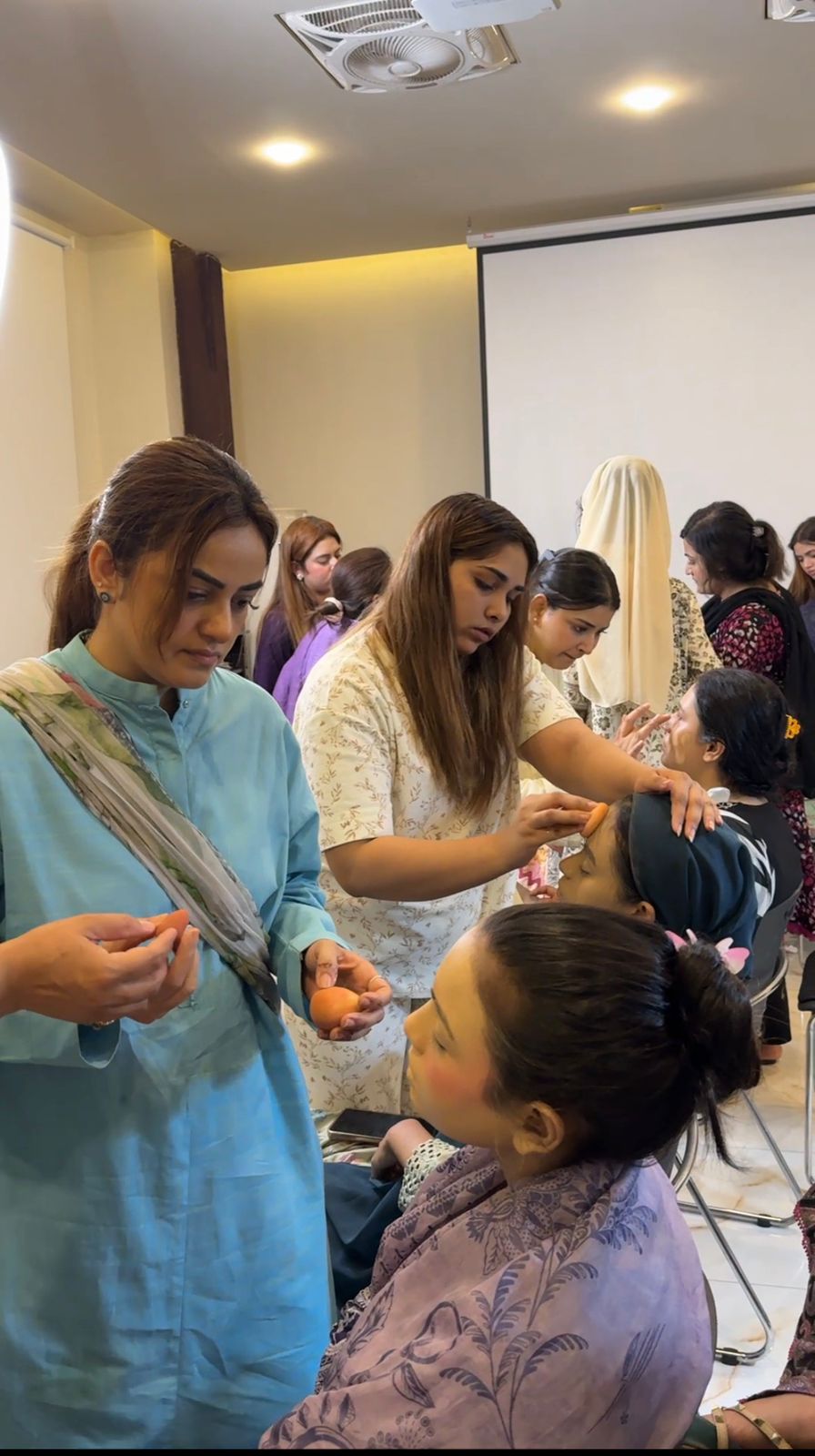
Well-shaped eyebrows can make a noticeable difference to the overall appearance of the face. Because of this, microblading has become a popular beauty technique for creating fuller and more defined-looking brows.
If you are searching for microblading Lahore, Cosmetology Edge offers professional beauty education and practical training focused on techniques such as brow mapping, hair-stroke creation, pigment selection, hygiene and client consultation.
Microblading is a detailed procedure that requires precision, patience and proper understanding of skin and brow structure. It is not simply about drawing eyebrow lines. A professional must consider facial proportions, natural brow growth, skin characteristics, pigment selection and appropriate aftercare.
Whether you are interested in learning microblading as a beginner or want to develop your existing beauty skills, structured training can provide a better foundation than learning techniques through random online tutorials.
What Is Microblading?
Microblading is a semi-permanent cosmetic brow technique that uses a specialized manual tool to create fine strokes that resemble natural eyebrow hairs.
The technique is designed to enhance the appearance of the eyebrows by creating a more defined shape and adding the visual effect of fuller brows.
A professional microblading process generally involves:
- Client consultation
- Brow assessment
- Facial and brow analysis
- Brow mapping
- Pigment selection
- Skin preparation
- Hair-stroke design
- Procedure
- Aftercare guidance
- Follow-up and maintenance considerations
Because microblading involves placing pigment into the skin, appropriate hygiene, sanitation and professional training are essential.
Why Choose Microblading in Lahore?
Lahore has a large and diverse beauty industry, including salons, beauty academies and professional makeup and brow services.
For someone interested in developing microblading skills, learning in a structured environment can provide several advantages.
Local Practical Learning
Training in Lahore can allow students to develop practical skills in a local beauty environment while understanding the expectations of clients.
Growing Beauty Skills
Microblading can complement other beauty skills such as:
- Makeup
- Brow styling
- Lash services
- Facial treatments
- Permanent makeup techniques
- Beauty consultation
Professional Development
For existing beauty professionals, microblading can be an additional skill to explore, subject to appropriate training, qualifications and local requirements.
Microblading Training at Cosmetology Edge
Cosmetology Edge is a beauty and training brand rather than a medical clinic. Its training-focused content can help learners explore professional beauty techniques and develop practical skills.
A microblading program may introduce students to important areas such as:
- Brow anatomy
- Facial proportions
- Brow mapping
- Hair-stroke techniques
- Pigment theory
- Skin assessment
- Tool handling
- Hygiene
- Client consultation
- Aftercare
- Practical application
The exact curriculum should always be confirmed with the academy before enrollment.
What Do You Learn in Microblading Training?
A professional microblading course should cover more than the basic technique.
1. Brow Anatomy
Understanding natural eyebrow structure is important before attempting to create a new brow design.
Students can learn about:
- Natural brow growth
- Brow shape
- Hair direction
- Brow symmetry
- Facial proportions
- Common brow concerns
This knowledge helps learners create designs that look more balanced and natural.
2. Brow Mapping
Brow mapping is one of the most important stages of microblading.
Students can learn how to identify:
- Brow starting point
- Brow arch
- Brow tail
- Brow thickness
- Symmetry
- Relationship between brows and facial features
Proper mapping provides a guide before pigment is applied.
3. Hair-Stroke Technique
Microblading aims to create fine strokes that visually resemble natural eyebrow hairs.
Training can introduce students to:
- Stroke direction
- Stroke placement
- Spacing
- Pressure control
- Brow density
- Natural-looking patterns
Developing consistency requires practice and supervised learning.
4. Pigment Selection
Choosing an appropriate pigment is another important part of microblading.
Students may learn about:
- Pigment tones
- Undertones
- Color selection
- Skin characteristics
- Color retention
- Potential color changes
Pigment selection should be approached carefully rather than choosing a shade simply because it looks attractive in a product container.
Skin Assessment for Microblading
Every client’s skin can behave differently.
A professional should consider factors such as:
- Skin type
- Oil production
- Sensitivity
- Existing brow pigment
- Previous cosmetic procedures
- Skin conditions
- Healing considerations
Some skin types may not be ideal candidates for certain microblading techniques.
That is why consultation and appropriate assessment should take place before the procedure.
Hygiene and Sanitation
Hygiene is one of the most important aspects of microblading.
Because the technique involves working on the skin, students should receive appropriate instruction about infection prevention and safe working practices.
Training may cover:
- Hand hygiene
- Gloves
- Clean treatment surfaces
- Sterile or appropriately packaged single-use equipment
- Safe disposal of sharps
- Proper tool handling
- Cross-contamination prevention
- Client preparation
- Post-treatment hygiene
A professional beauty service should never compromise on sanitation simply to save time or reduce costs.
Microblading Consultation
A good consultation can help both the client and practitioner understand what is realistically achievable.
Before a procedure, the practitioner may discuss:
- Desired brow shape
- Existing brow hair
- Skin type
- Previous brow treatments
- Allergies or sensitivities
- Medical or skin-related considerations
- Expected appearance
- Healing process
- Aftercare
- Possible risks
Clients should also have an opportunity to ask questions before agreeing to treatment.
Microblading Aftercare
Aftercare is an important part of the overall microblading process.
Clients should receive clear instructions from the trained practitioner. Depending on the procedure and products used, guidance may include:
- Keeping the treated area appropriately clean
- Avoiding unnecessary touching
- Following the recommended aftercare routine
- Avoiding activities that may interfere with healing when advised
- Avoiding picking or scratching the area
- Protecting the area from excessive sun exposure
- Attending a follow-up appointment when recommended
Healing can vary from person to person, so clients should follow the specific instructions provided by their practitioner.
Who Can Learn Microblading?
Microblading training may be suitable for people who want to develop professional beauty skills.
Potential learners include:
- Beginners in the beauty industry
- Makeup artists
- Beauticians
- Brow artists
- Beauty salon professionals
- Permanent makeup learners
- Existing beauty business owners
However, eligibility can vary by course.
Before enrollment, ask about the required educational background, practical experience, course duration and training level.
Benefits of Learning Microblading
Professional microblading training can help learners develop a specialized beauty skill.
Develop a Specialized Skill
Microblading requires precision and detailed work, making it different from many general beauty services.
Improve Brow Design Knowledge
Students can develop a better understanding of facial proportions, brow structure and symmetry.
Build a Beauty Portfolio
With appropriate supervised practice and consent, learners can develop examples of their work for a professional portfolio.
Complement Existing Beauty Services
Microblading may complement makeup, brow styling and other beauty services.
Support Professional Development
The skill can become part of a broader beauty career, subject to the individual’s training and applicable local requirements.
Microblading vs Traditional Brow Makeup
Microblading and traditional eyebrow makeup are different techniques.
| Microblading | Traditional Brow Makeup |
|---|---|
| Semi-permanent cosmetic technique | Temporary cosmetic application |
| Pigment is placed into the skin | Product stays on the skin surface |
| Requires specialized training | Can be learned through makeup training |
| Designed to create hair-like strokes | Creates brows using pencils, powders or gels |
| Requires aftercare | Usually removed at the end of the day |
Because microblading involves the skin, it requires greater attention to hygiene, consultation and safety.
How to Choose Microblading Training in Lahore
If you are comparing microblading courses, consider the following factors.
Check the Course Curriculum
Make sure the program covers more than basic brow drawing.
Look for subjects such as:
- Brow mapping
- Skin assessment
- Pigment theory
- Hair-stroke techniques
- Hygiene
- Consultation
- Aftercare
- Practical training
Ask About Practical Sessions
Practical experience is important when learning a precision-based skill.
Ask whether the course includes demonstrations, supervised practice and opportunities to work on suitable models.
Understand Certification
Ask exactly what certificate or qualification is provided after completion.
Do not assume that a course certificate automatically represents government accreditation, professional licensing or permission to perform regulated procedures.
Check Trainer Experience
Ask about the instructor’s relevant microblading experience and teaching background.
Review Hygiene Standards
The training environment should demonstrate appropriate sanitation and safe working practices.
Why Consider Cosmetology Edge?
Cosmetology Edge focuses on beauty services and professional beauty training in Lahore.
For students interested in microblading, the training environment can provide an opportunity to explore brow mapping, pigment selection, hair-stroke techniques, hygiene, consultation and practical beauty skills, depending on the actual course syllabus.
The academy can also be relevant to learners interested in expanding their broader beauty knowledge.
Before publishing this page, make sure the website lists the actual microblading course duration, fee, eligibility, practical hours, trainer details, class schedule, certificate information and location.
Only include techniques and services that are genuinely offered by Cosmetology Edge.
Microblading as a Beauty Career Skill
Microblading can become one component of a broader beauty career.
Depending on training and applicable requirements, professionals may work toward opportunities in:
- Beauty salons
- Brow studios
- Makeup businesses
- Beauty training environments
- Personal beauty services
- Existing salon businesses
Some professionals also combine brow services with makeup, lashes, skincare or other beauty skills.
However, success in the beauty industry depends on factors such as technical skill, hygiene, customer service, portfolio quality, business management and continued learning.
Common Microblading Mistakes Beginners Should Avoid
Beginners can make mistakes when they focus only on the visual appearance of the final brow.
Common issues include:
Skipping Brow Mapping
Without proper mapping, achieving balanced brows can become difficult.
Choosing Pigment Without Assessment
Pigment selection should consider the client’s characteristics and the intended result.
Ignoring Skin Type
Different skin types can respond differently to cosmetic procedures.
Poor Hygiene
Insufficient sanitation can create avoidable risks.
Practicing Without Supervision
Beginners should develop their technique through structured education and appropriate practice.
Making Unrealistic Promises
No professional should promise identical results for every client. Healing and pigment retention can vary.
Is Microblading Right for Everyone?
Not necessarily.
Suitability depends on factors including skin condition, previous brow procedures, sensitivities and other individual circumstances.
A professional consultation should take place before treatment.
Anyone with concerns about an existing skin condition, medication, healing problem or other medical issue should discuss the situation with an appropriately qualified healthcare professional before undergoing a cosmetic procedure.
Start Learning Microblading in Lahore
If you want to develop professional brow skills, a structured microblading course can provide a useful foundation.
Start by comparing the curriculum, practical training, hygiene standards, trainer experience, eligibility requirements and certificate details.
For learners in Lahore, Cosmetology Edge can be presented as a beauty training option for developing microblading and related beauty skills, provided the published course information accurately reflects the academy’s current offerings.
Frequently Asked Questions
1. What is microblading?
Microblading is a semi-permanent cosmetic brow technique that creates fine, hair-like strokes using a specialized manual tool and cosmetic pigment.
2. Is microblading available in Lahore?
Yes, microblading is offered by beauty professionals and businesses in Lahore. Clients should check the practitioner’s training, hygiene practices, portfolio and consultation process before treatment.
3. Can beginners learn microblading?
Yes, beginners can learn microblading through structured training if they meet the course’s eligibility requirements.
4. What is taught in a microblading course?
Training may include brow mapping, facial proportions, hair-stroke techniques, pigment selection, skin assessment, hygiene, consultation and aftercare.
5. How long does a microblading course take?
Course duration varies between training providers. Contact the academy to confirm the current course duration and practical training hours.
6. Does microblading training include practical sessions?
Some programs include demonstrations and supervised practical sessions. Students should confirm the exact practical structure before enrollment.
7. Is microblading permanent?
Microblading is generally described as a semi-permanent cosmetic technique rather than a permanent tattoo. Pigment appearance can change over time and may require maintenance.
8. Does microblading hurt?
Some clients may experience discomfort during the procedure. The level of discomfort can vary depending on individual sensitivity and the technique used.
9. How long does microblading last?
Results vary depending on factors such as skin characteristics, aftercare, pigment and technique. It should not be marketed as having an identical duration for every client.
10. Can microblading be performed on every skin type?
Not necessarily. Skin characteristics can affect the suitability and expected results of microblading, so an individual consultation is important.
11. Is microblading safe?
Microblading involves working on the skin, so risks can include irritation, infection, allergic reactions, scarring or unwanted cosmetic results. Proper training, hygiene and client screening are important.
12. What should I look for in a microblading course in Lahore?
Look for a clear curriculum, practical training, experienced instructors, hygiene education, pigment theory, brow mapping, client consultation and transparent certification information.
13. Can I start a beauty career after learning microblading?
Microblading can become one skill within a broader beauty career. Career opportunities depend on your training, experience, business skills and applicable local requirements.
14. Does a microblading certificate give me a professional license?
Not automatically. A course certificate documents completion of training but does not necessarily constitute government licensing, professional registration or authorization for regulated procedures.