Hair colouring is an important skill in the modern beauty and hairstyling industry. From natural-looking shades and grey coverage to highlights, balayage and creative fashion colours, clients often look for hairstylists who understand colour selection, application techniques and hair care.
If you want to develop these skills, a hair colouring course in Lahore can help you build a foundation in professional colour techniques. Structured training can introduce you to colour theory, product knowledge, hair assessment, application methods and the safety practices required when working with chemical products.
Cosmetology Edge is a beauty education and training institute in Lahore that offers hair training options, including an advanced hair course. Its published information discusses hair colouring and related salon techniques. Contact the institute to confirm the current syllabus, duration, fees and whether hair colouring is available as a standalone course or within a broader program.
Cosmetology Edge
Whether you are new to hairstyling or want to improve your existing salon skills, learning the principles behind hair colour can help you approach different colouring services more confidently and professionally.
What Is a Hair Colouring Course?
A hair colouring course teaches the fundamentals of changing or enhancing hair colour using appropriate professional products and techniques. Depending on the course level, students may study basic colour theory, shade selection, application methods, highlights, toning and colour correction.
A structured program may cover:
- Hair colour theory and colour levels
- Understanding warm, cool and neutral tones
- Selecting shades according to client preferences
- Hair assessment and consultation
- Root application and all-over colour principles
- Highlights and lowlights
- Toning and colour balancing
- Introduction to balayage techniques
- Understanding colour correction
- Product instructions and chemical safety
- Hair maintenance and aftercare
The exact topics vary between institutes. Before enrolling, request the current syllabus and ask which techniques are taught through theory, demonstrations and supervised practical work.
Why Learn Hair Colouring in Lahore?
Lahore has an active beauty and salon industry, and professional hair colouring is one of the skills learners may want to add to their hairstyling knowledge.
A dedicated training program can help students understand why different products and techniques produce different results. Rather than relying only on online tutorials, learners can benefit from structured instruction, feedback and opportunities to practise suitable techniques.
A hair colouring course may help you:
- Understand the basics of professional hair colour.
- Learn how to select shades for different looks.
- Develop knowledge of highlights and lowlights.
- Understand toning and colour correction principles.
- Improve sectioning and application control.
- Learn to communicate with clients about their expectations.
- Understand product instructions and hair-care precautions.
Training alone does not guarantee employment or business success. Results depend on your practice, technical development, client communication and ability to follow professional safety standards.
What Will You Learn in a Hair Colouring Course?
1. Hair colour theory
Colour theory is a foundation of professional colouring. It helps explain how different shades interact, why unwanted tones can appear and how colour selection influences the final look.
Students may learn about the colour wheel, underlying pigment, levels of lightness and the difference between warm and cool tones. This knowledge can support more informed decisions when planning a colouring service.
2. Hair assessment and client consultation
Before choosing a colour, a hairstylist needs to understand the client’s preferences and assess the current condition and history of the hair.
Consultation may include discussing previous colouring, chemical treatments, hair condition, the desired result and maintenance expectations. Students should also learn to explain limitations honestly rather than promise a particular result for every hair type.
3. Hair colour application
Application techniques influence the evenness and appearance of the result. Training may introduce product preparation, sectioning, controlled application and following the manufacturer’s directions for processing.
The exact methods depend on the product and service. Students should learn not to improvise mixing ratios or processing times and to follow the instructions for the products being used.
4. Highlights and lowlights
Highlights create lighter sections within the hair, while lowlights introduce darker sections to add depth or contrast.
Depending on the curriculum, students may learn about colour placement, sectioning patterns, blending and how to discuss maintenance with clients. Ask whether the course includes practical exercises in these techniques.
5. Hair toning
Toning is used in some colouring services to adjust or refine the appearance of a shade. For example, a stylist may need to understand how unwanted warm or yellow tones can be managed after a lightening service.
Training should explain that toner selection depends on the underlying colour, hair condition, product instructions and intended result. It should not be treated as a universal solution for every colour issue.
6. Balayage and modern colour techniques
Balayage is a freehand colouring technique commonly associated with a blended, graduated look. It requires an understanding of placement, contrast, the starting hair colour and the desired finish.
If balayage is one of your main goals, ask Cosmetology Edge whether the current course includes this technique and whether it is taught at a beginner or advanced level.
7. Colour correction principles
Colour correction involves addressing an unwanted or uneven result. These situations can be complex because the hair may have a history of previous colouring, lightening or chemical treatments.
A course may introduce common colour challenges and the importance of assessing hair condition before choosing a corrective approach. More complex cases may require additional experience and specialist education.
8. Hair care and aftercare
Colour services can affect hair condition. Students should learn how to discuss maintenance, suitable aftercare products and realistic expectations with clients.
Aftercare guidance may include following product directions, reducing unnecessary heat exposure and using appropriate conditioning products. No product can guarantee that coloured hair will remain undamaged, so care recommendations should be realistic.
Why Hair Colour Safety Matters
Professional colouring involves products that may irritate the skin, trigger allergic reactions or damage hair if used incorrectly. Safety should therefore be an essential part of training, not an optional topic.
A responsible course should explain the importance of:
- Following the manufacturer’s instructions.
- Understanding product-specific allergy-alert or patch-testing guidance.
- Assessing hair and scalp condition before a service.
- Using suitable gloves and protective measures.
- Maintaining appropriate ventilation where required.
- Avoiding contact with the eyes and preventing unnecessary skin exposure.
- Recognising when a service should be postponed or declined.
- Explaining possible risks and aftercare to clients.
A negative previous reaction does not mean a person can safely use another product without assessment. Follow the specific product instructions, and do not proceed with a colouring service when a product warning or previous reaction indicates that it may be unsafe.
Learning these precautions helps students understand the responsibilities involved in providing professional hair services.
Who Can Join a Hair Colouring Course?
Entry requirements depend on the training program. An introductory course may be suitable for beginners, while an advanced course may be more useful for learners who already understand basic hair care and salon procedures.
You may wish to explore hair colouring training if you are:
- A beginner interested in professional hairstyling.
- A salon assistant who wants to develop additional skills.
- A hairdresser seeking to improve colour knowledge.
- A beauty professional planning to broaden salon services.
- A learner interested in highlights, toning or creative colouring techniques.
Before registering, ask about minimum entry requirements, previous experience, class timings, language of instruction and any tools or materials you need to bring.
Hair Colouring Training at Cosmetology Edge
Cosmetology Edge provides beauty and hairstyling education in Lahore. Its website features a one-month advanced hair course and describes training in colouring and related salon techniques. The current availability of a separate hair colouring course, its exact syllabus and its fees should be confirmed directly with the institute.
Cosmetology Edge
If you are considering Cosmetology Edge, ask whether the current program covers the techniques most relevant to your goals, such as:
- Basic hair colour theory
- Shade selection and application
- Highlights and lowlights
- Toning
- Balayage fundamentals
- Colour correction principles
- Hair assessment and consultation
- Product handling and safety
You should also confirm how practical sessions are organised, what equipment or products are included, whether assessment is required and what certificate is issued on completion.
Cosmetology Edge contact details
- Institute: Cosmetology Edge
- Address: 3rd Floor, 1 Canal Road, Mall 2, Eden Canal Villas, Lahore
- Phone: +92 305 4566187
- Website: Cosmetology Edge
Contact the institute for the latest course name, timetable, fee, admission requirements and certification details before making your decision.
How to Choose the Right Hair Colouring Course in Lahore
Not every course offers the same depth of training. Comparing the curriculum and learning format can help you find a program that fits your needs.
Review the curriculum
Check whether the syllabus covers the techniques you want to learn. If your goal is advanced colouring, ask whether highlights, balayage, toning and colour correction are included or require separate training.
Ask about practical experience
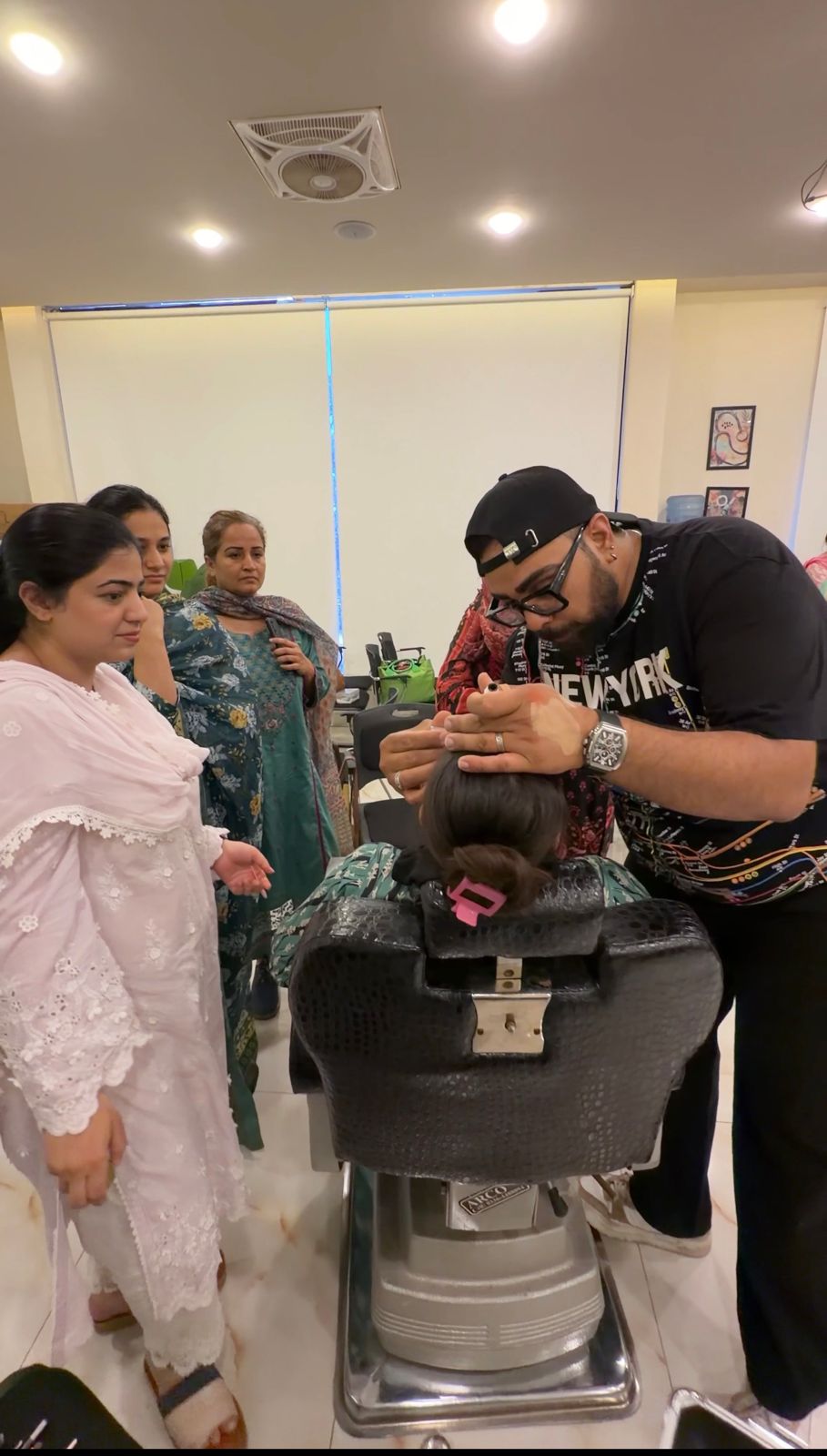
Find out whether the program includes demonstrations, supervised practice and feedback from the trainer. Ask whether students practise on training heads, models or other approved formats.
Check the trainers’ experience
Ask who will teach the course and what professional experience they have in hair colouring. Clear information about the trainer and teaching format helps you compare options.
Understand the fee and duration
Request the total fee, course duration, timetable and details of any extra costs for products, tools or materials. Do not assume the duration of a broader hair course is the same as the duration of a standalone colouring program.
Confirm certificate details
Ask who issues the certificate and what it represents. A course certificate does not guarantee employment, business success or any particular professional status.
Consider ongoing practice
Hair colouring involves technical judgement, consultation and attention to detail. Choose a program that gives you a realistic understanding of the skills required and a clear path for continuing to practise after the course.
Career Opportunities After Hair Colouring Training
Hair colouring skills can complement several roles in the beauty industry. The opportunities available depend on your experience, practical ability and the requirements of the employer or service you want to provide.
Possible directions include:
- Working as a salon assistant while developing colour skills.
- Supporting experienced hairstylists with colouring services.
- Adding colouring knowledge to an existing hairstyling skill set.
- Building a portfolio of suitable hair-colour work.
- Pursuing further education in advanced hairstyling.
Completing a course does not guarantee a job or income. Building professional ability requires ongoing practice, client communication, product knowledge and a consistent focus on safety.
Frequently Asked Questions About Hair Colouring Courses in Lahore
1. What is a hair colouring course in Lahore?
A hair colouring course teaches the fundamentals of professional hair colour, including colour theory, shade selection, application methods, toning and selected colouring techniques. The curriculum depends on the institute and program.
2. Does Cosmetology Edge offer a hair colouring course in Lahore?
Cosmetology Edge publishes information about hair training, including an advanced hair course that covers colouring. Contact the institute to confirm whether a separate hair colouring course is currently available.
3. Can beginners join a hair colouring course?
Some introductory hair programs are designed for beginners. Ask the institute whether its current course starts with basic colour theory and application or requires previous hairstyling experience.
4. What topics are taught in hair colouring training?
Depending on the syllabus, training may cover colour theory, shade selection, root application, highlights, lowlights, toning, balayage fundamentals, colour correction principles, product handling and hair assessment.
5. How long does a hair colouring course take?
Course duration varies by institute and curriculum. Cosmetology Edge publishes a one-month advanced hair course, but you should confirm whether hair colouring is taught as a separate course or as part of that program.
6. Does a hair colouring course include practical training?
Practical arrangements vary by program. Before enrolling, ask about supervised practice, demonstrations, feedback, assessment and whether products or tools are included.
7. Can I learn balayage and highlights?
These techniques may be included in some hair-colouring programs. Confirm whether the course you are considering covers balayage and highlights and whether the training is introductory or advanced.
8. Is hair colouring safe?
Hair colouring can cause allergic reactions, skin irritation or hair damage. Safety depends on the products, the person’s suitability, correct use and following manufacturer instructions. Training should cover product-specific precautions and appropriate testing guidance.
9. Will I receive a certificate after completing the course?
Certificate arrangements depend on the program. Ask Cosmetology Edge which certificate is issued, who issues it and what completion requirements apply.
10. Can I work in a salon after completing hair colouring training?
Training may help you develop relevant skills, but employment depends on your practical ability, experience and the requirements of the salon. A certificate alone does not guarantee a job.
11. How much does a hair colouring course cost in Lahore?
Fees vary according to the course content, duration and included materials. Contact Cosmetology Edge for current pricing and any additional expenses.
12. Where is Cosmetology Edge located?
Cosmetology Edge is located at 3rd Floor, 1 Canal Road, Mall 2, Eden Canal Villas, Lahore. Contact the institute to confirm current course information and admission details.