Well-shaped eyebrows can make a significant difference to facial appearance. As interest in semi-permanent makeup continues, brow microblading has become a specialised skill for beauty professionals who want to learn detailed eyebrow design and cosmetic enhancement techniques.
If you are searching for a brow microblading course in Lahore, it is important to choose training that covers more than drawing attractive eyebrows. Professional education should introduce brow mapping, facial proportions, skin assessment, pigment theory, tool handling, hygiene, client consultation, and aftercare.
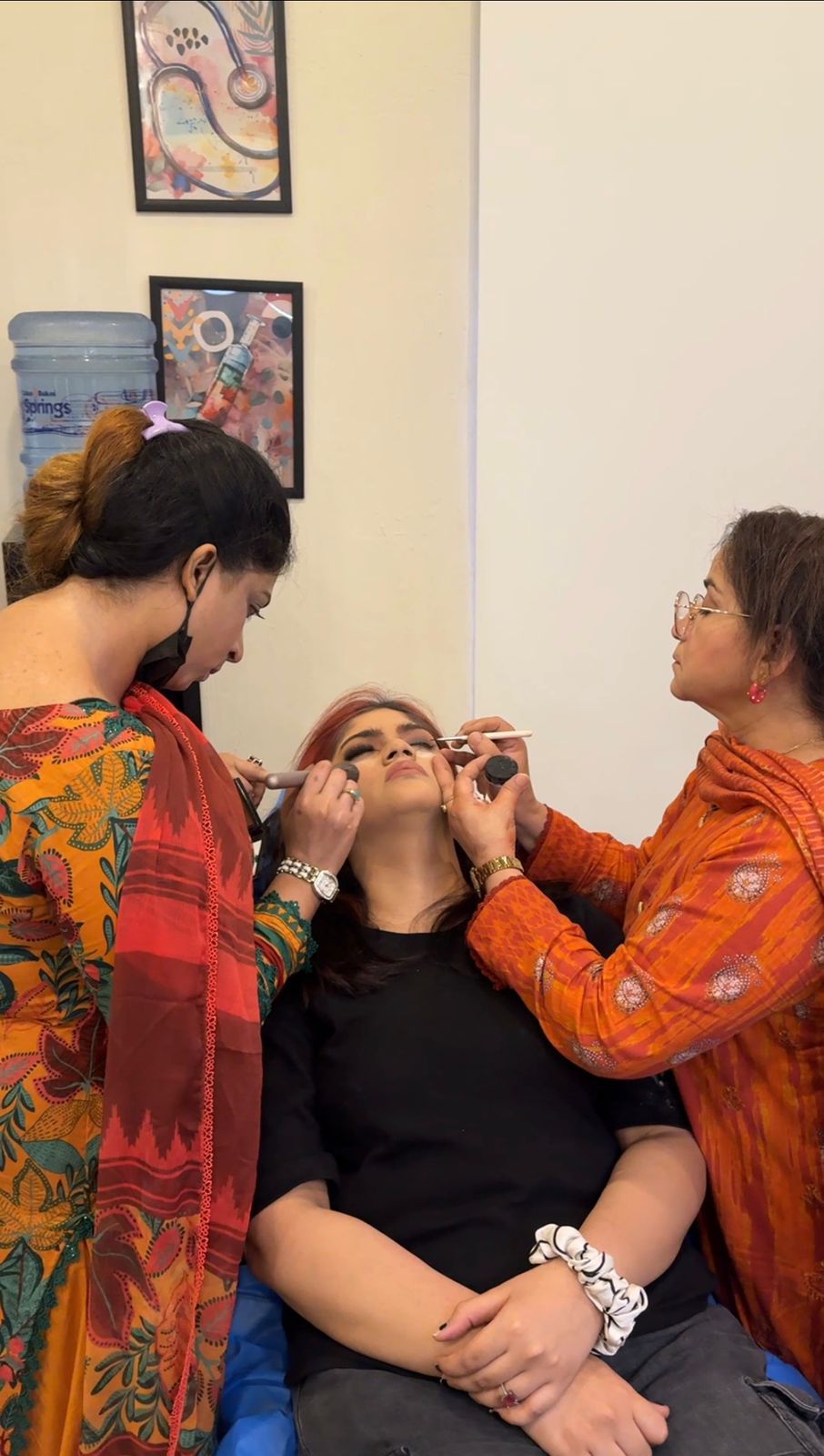
Cosmetology Edge is a beauty training center in Lahore that publishes microblading and permanent makeup training content. Its microblading training information covers brow mapping, hair-stroke techniques, pigment selection, hygiene, client consultation, and practical learning.
Cosmetology Edge
Whether you are a beginner exploring brow artistry or a beauty professional looking to expand your skills, this guide explains what to look for in a microblading course and how to prepare for your training journey.
What Is Brow Microblading?
Brow microblading is a semi-permanent cosmetic technique that uses a specialised manual tool to create fine, hair-like strokes in the eyebrow area. The aim is to create a fuller or more defined appearance that complements the client’s natural brow structure.
The finished result can vary according to several factors, including:
- Natural eyebrow shape and hair growth.
- Facial proportions and symmetry.
- Skin characteristics.
- Pigment choice and colour suitability.
- Stroke direction, spacing, and technique.
- The skin’s healing response.
- Appropriate aftercare.
Microblading requires artistic judgement as well as technical knowledge. A brow design that looks attractive on one person may not suit another person’s facial features or natural eyebrow pattern.
Because the technique involves breaking the skin, it also carries risks such as infection, allergic reactions, scarring, and unwanted pigment results. Appropriate training, hygiene, client screening, and compliance with applicable local requirements are essential.
Why Choose a Brow Microblading Course in Lahore?
A structured course can help students learn the fundamentals in a logical order instead of relying only on online tutorials or informal demonstrations.
1. Learn Professional Brow Mapping
Brow mapping helps the artist plan the shape and placement of the eyebrows before beginning a procedure.
Training may introduce facial proportions, measuring methods, brow symmetry, natural hair direction, and pre-procedure design. Students should learn to discuss the proposed shape with the client and obtain informed consent before proceeding.
2. Develop Hair-Stroke Techniques
Creating realistic-looking strokes requires controlled movements, consistent spacing, and an understanding of the natural direction of eyebrow hair.
A suitable course may introduce basic stroke patterns on practice materials before students progress to more advanced exercises. The amount of supervised practice should be confirmed with the academy.
3. Understand Pigment Selection
Pigment selection involves considering the client’s natural colouring, desired appearance, skin characteristics, and the expected healed result.
Students should learn that pigment appearance changes during healing and that colour selection cannot guarantee a particular final result. They should also understand product labelling, safe handling, and the importance of using appropriate products from reputable suppliers.
4. Learn Hygiene and Infection Prevention
Hygiene is one of the most important parts of microblading education because the procedure involves the skin.
Training should cover hand hygiene, suitable personal protective equipment, safe handling of sterile single-use items, sharps disposal, work-surface preparation, and preventing cross-contamination. Reusable equipment must be processed according to its intended use and the manufacturer’s instructions.
Students should also understand that active skin infections, certain skin conditions, or other contraindications may mean a procedure must be postponed or avoided.
5. Improve Client Consultation Skills
A professional brow artist needs to understand the client’s expectations and explain the procedure clearly.
Consultation training may include reviewing relevant health information, discussing allergies and previous cosmetic procedures, explaining possible risks, obtaining informed consent, maintaining appropriate records, and giving written aftercare guidance.
A client should have enough information to make a voluntary decision without pressure or unrealistic promises.
What Will You Learn in a Brow Microblading Course?
The exact curriculum depends on the programme. When comparing microblading training courses in Lahore, ask whether the following topics are included.
Brow Anatomy and Facial Proportions
Students may study natural eyebrow structure, facial proportions, symmetry, and the relationship between brow shape and overall facial appearance.
This knowledge helps learners plan designs that complement individual features instead of applying the same shape to every client.
Eyebrow Mapping and Design
Brow mapping is the planning stage before cosmetic application. Learners may practise measuring, marking, evaluating symmetry, and adjusting a proposed shape to suit the client’s natural brows and preferences.
Skin Assessment
Different skin characteristics can affect procedure suitability and healing. Training should explain how to recognise when additional professional advice is needed and when a procedure should not be performed.
Skin assessment in a beauty training course does not replace medical diagnosis.
Tool Handling and Stroke Practice
Students may learn about the intended use of microblading tools, correct handling principles, controlled movements, and stroke placement.
Beginners should practise on suitable artificial materials first. Any work on people should occur only when appropriate for the learner’s qualifications, with proper supervision, consent, hygiene, and compliance with applicable requirements.
Pigment Theory and Colour Selection
Colour theory can help students understand undertones, pigment selection, and the factors that influence healed appearance.
The course should also explain that pigment retention and final colour can vary between individuals and that touch-ups or corrections are not guaranteed to produce a particular result.
Aftercare and Follow-Up
Aftercare education should cover keeping the treated area clean according to the provider’s instructions, avoiding inappropriate products or activities during healing, and recognising warning signs that need medical attention.
Students should learn how to provide clear written instructions and explain when clients should contact a qualified healthcare professional.
Is a Brow Microblading Course Suitable for Beginners?
Some microblading programmes accept beginners, while others require previous beauty or permanent makeup experience. Confirm the entry requirements with Cosmetology Edge before enrolling.
Beginners should look for a course that starts with foundational concepts and gradually introduces more advanced techniques. It should provide enough time for practice, feedback, and assessment rather than focusing only on a short demonstration.
If you already work as a makeup artist or beautician, microblading training may help you explore an additional area of brow artistry. However, previous makeup experience does not replace training in skin penetration, infection prevention, or procedure-specific safety.
How to Choose the Right Microblading Training Institute
Before enrolling in a brow microblading course in Lahore, compare the following factors.
Course syllabus: Request a written curriculum showing the theory, practical exercises, safety topics, and assessment requirements.
Trainer qualifications: Ask about the trainer’s relevant experience, qualifications, and experience teaching microblading.
Supervised practice: Confirm whether practice is performed on artificial skin, models, or other approved training setups and how supervision is provided.
Hygiene standards: Check whether the course teaches infection prevention, safe disposal, appropriate equipment handling, and client screening.
Course duration: Ask for the total training hours and schedule. Do not rely on a course title alone to determine how much practice is included.
Fees and materials: Request a full breakdown covering tuition, tools, pigments, practice materials, assessments, and any additional costs.
Certificate details: Confirm the exact certificate title, issuing organisation, assessment requirements, and any accreditation claims. A private course-completion certificate does not automatically constitute a government licence or authorisation to perform every procedure.
After-training support: Ask whether students can receive feedback on practice work or guidance on further skill development.
Career Opportunities After Microblading Training
Microblading skills may complement other beauty services and help learners explore brow artistry as a professional specialisation.
Depending on their qualifications, practical competence, and applicable requirements, trained individuals may consider:
- Working toward a brow artist role.
- Adding suitable brow services to an existing beauty business.
- Developing a portfolio of brow design work.
- Continuing education in semi-permanent makeup.
- Building experience in a beauty studio or salon environment.
A course does not guarantee employment, clients, or income. Because microblading involves skin penetration, students must also check the applicable rules for qualifications, premises, hygiene, and permitted practice before offering the procedure independently.
Brow Microblading Training at Cosmetology Edge
Cosmetology Edge publishes training information for microblading and permanent makeup. Its microblading course content discusses brow mapping, hair-stroke techniques, pigment selection, hygiene, consultation, and aftercare.
Cosmetology Edge
If you are interested in joining, contact the academy to confirm the current course title, duration, fees, entry requirements, practical sessions, and certificate details.
Academy details
- Address: 3rd Floor, 1 Canal Road, Eden Canal Villas, Lahore.
- Phone: +92 305 4566187.
- Website: Cosmetology Edge.
- Course information: Microblading Training Course in Lahore.
- Contact page: Visit Cosmetology Edge.
The academy is located in the Eden Canal Villas area on Canal Road, Lahore. Confirm the current course schedule and visit arrangements before travelling.
Start Learning Brow Microblading with the Right Foundation
Brow microblading combines design, precision, colour knowledge, and careful hygiene. Structured training can help learners understand the principles behind the technique and develop their skills progressively.
If you are looking for a brow microblading course in Lahore, compare the curriculum, supervised practice, safety education, trainer qualifications, and certificate details before enrolling. Contact Cosmetology Edge to confirm whether its current microblading programme matches your experience level and learning goals.
3. Frequently asked questions (FAQs)
1. What is a brow microblading course in Lahore?
A brow microblading course teaches eyebrow design and semi-permanent brow techniques, potentially including brow mapping, hair-stroke patterns, pigment selection, skin assessment, hygiene, consultation, and aftercare.
2. Can beginners enrol in a microblading course?
Some courses accept beginners, while others require previous beauty training. Contact Cosmetology Edge to confirm the current eligibility criteria.
3. What do you learn in brow microblading training?
Depending on the curriculum, students may learn brow anatomy, facial proportions, mapping, stroke design, pigment theory, tool handling, hygiene, client consultation, and aftercare.
4. Is practical training important for microblading?
Yes. Microblading requires precision and controlled movements. Ask whether the course includes structured practice, individual feedback, and appropriate supervision.
5. How long does a brow microblading course take?
Duration varies by course and training level. Contact Cosmetology Edge for the current timetable, total training hours, and practical requirements.
6. What is the fee for a microblading course in Lahore?
Fees depend on course content, duration, materials, and practical training. Request a written fee breakdown from the academy before registering.
7. Will I receive a certificate after completing the course?
Certificate arrangements depend on the programme. Confirm the certificate title, issuing organisation, assessment requirements, and any claimed accreditation before enrolling.
8. Is microblading the same as permanent makeup?
Microblading is a semi-permanent eyebrow enhancement technique and falls within the broader field of permanent makeup. Other techniques may use different tools and methods, such as machine-based brow pigmentation.
9. Does microblading training cover hygiene and safety?
A suitable course should cover hygiene, infection prevention, safe equipment handling, client screening, informed consent, and aftercare. Confirm these topics in the written syllabus.
10. Can I start my own brow business after training?
Training may help you develop relevant skills, but independent practice also requires adequate competence, appropriate equipment, hygiene procedures, and compliance with applicable local requirements. A certificate alone does not guarantee business success or authorise every procedure.
11. Who should avoid microblading?
Suitability depends on individual circumstances, skin condition, allergies, medical history, and other factors. Clients with active skin infections or unexplained skin changes should seek appropriate professional assessment before undergoing a procedure.
12. Where is Cosmetology Edge located in Lahore?
Cosmetology Edge is located at 3rd Floor, 1 Canal Road, Eden Canal Villas, Lahore. Call +92 305 4566187 to enquire about current course availability and admissions.