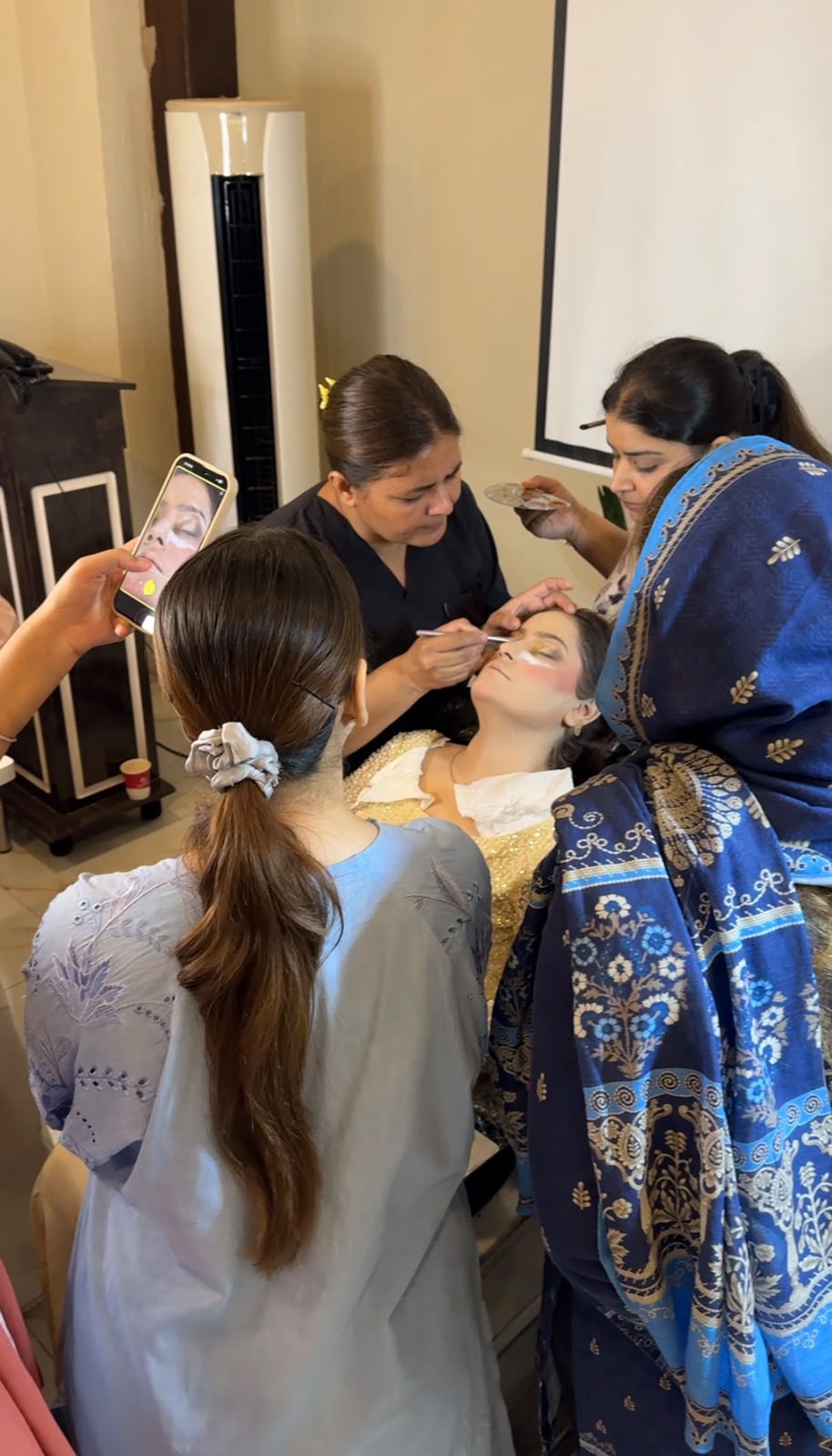
A beauty parlour course in Lahore can help beginners and aspiring beauty professionals develop practical skills for working in salons, beauty parlours, studios, or freelance settings. Instead of learning individual services separately, a structured course can provide a broader introduction to beauty care, client consultation, hygiene, tools, products, and professional salon practices.
Cosmetology Edge is a beauty and cosmetology training center offering education focused on practical beauty skills. Depending on the program, learners can explore areas such as skincare, makeup, hair, nails, brows, and other salon-related services.
A professional beauty course is about more than learning how to perform a treatment. Students also need to understand preparation, hygiene, communication, product selection, client comfort, and professional presentation.
Whether you are completely new to beauty or already have some salon experience, choosing a course that matches your goals can help you build a stronger foundation.
What Is a Beauty Parlour Course?
A beauty parlour course is a structured training program designed to teach practical skills used in beauty and salon environments.
Depending on the course syllabus, subjects may include:
- Basic skincare
- Facial treatments
- Makeup
- Hair cutting and styling
- Hair care
- Manicure and pedicure
- Nail art
- Nail extensions
- Eyebrow shaping and threading
- Waxing
- Lash-related beauty services
- Hygiene and sanitation
- Client consultation
- Product knowledge
- Salon professionalism
The exact subjects differ between training centers, so students should review the current curriculum before enrolling.
Why Take a Beauty Parlour Course in Lahore?
Lahore has a diverse beauty and personal-care market, with salons, bridal makeup artists, beauty studios, and independent professionals serving clients with different needs.
Professional training can provide a structured way to develop relevant skills.
1. Learn Multiple Beauty Skills
A comprehensive course can introduce students to several areas rather than limiting them to one service.
For example, a beginner may learn the fundamentals of:
- Skincare
- Makeup
- Hair styling
- Nail care
- Brow grooming
- Salon hygiene
After learning the basics, students can choose a particular area for further specialization.
2. Develop Practical Skills
Beauty work is highly practical. Watching videos can provide useful information, but hands-on training allows students to practice techniques and receive guidance.
Practical sessions can help learners understand how to:
- Handle professional tools
- Prepare a workstation
- Prepare clients
- Apply products
- Perform service steps
- Create a professional finish
- Maintain hygiene
3. Understand Salon Hygiene
Hygiene should be an important part of every beauty training program.
Students can learn about:
- Clean workstations
- Tool cleaning
- Appropriate sanitation
- Product handling
- Disposable materials
- Client protection
- Safe working practices
Good hygiene supports both client safety and professional standards.
What Do You Learn in a Beauty Parlour Course?
The curriculum depends on the program, but several areas are commonly relevant to salon education.
Skincare and Facial Training
Basic skincare education can introduce students to different skin types, cleansing, exfoliation, masks, facial massage, product selection, and general skincare routines.
Students can also learn how to identify situations where a client may need professional medical assessment instead of a cosmetic salon service.
Professional Makeup
Makeup is an important skill for many beauty professionals.
Training may cover:
- Skin preparation
- Foundation selection
- Concealer
- Contouring
- Highlighting
- Eye makeup
- Eyebrow styling
- Lip makeup
- Blending
- Day makeup
- Evening makeup
- Bridal makeup fundamentals
Repeated practice can help students improve application and develop their own professional style.
Hair Cutting and Styling
Hair training may introduce students to:
- Hair preparation
- Sectioning
- Basic cutting techniques
- Blow-drying
- Hair styling
- Finishing techniques
- Basic hair care
The exact level of hair training depends on the selected course.
Manicure and Pedicure
Students may learn the basic principles of professional hand and foot care.
Topics can include:
- Nail preparation
- Nail shaping
- Cuticle care
- Manicure
- Pedicure
- Basic massage
- Product application
- Hygiene
Nail Art and Extensions
Some beauty parlour courses also introduce nail services.
Depending on the program, these may include:
- Nail art
- Gel nails
- Acrylic nails
- Nail extensions
- Nail maintenance
- Safe removal
Students should confirm which systems and techniques are actually included in the course.
Eyebrow and Threading Services
Threading and brow shaping are common beauty services.
Training can cover:
- Brow mapping
- Basic threading technique
- Brow shaping
- Client consultation
- Skin preparation
- Hygiene
Students should learn to consider skin sensitivity and avoid unnecessary irritation.
Practical Training Is Important
When comparing a beauty parlour course in Lahore, pay close attention to the amount of practical training included.
A course that combines theory with hands-on practice can give learners a better opportunity to understand professional workflows.
Practical sessions may include:
- Trainer demonstrations
- Guided practice
- Model-based practice where appropriate
- Tool handling
- Product application
- Service preparation
- Finishing techniques
- Client communication
Ask the training center about actual practical hours rather than assuming that every course offers the same amount of hands-on learning.
Beauty Parlour Course for Beginners
Beginners can benefit from starting with foundational skills.
A beginner-friendly learning pathway may cover:
Basic Beauty Knowledge
Understanding common beauty services, products, tools, and terminology.
Skin and Hair Basics
Learning basic concepts related to skin types, hair types, and appropriate salon services.
Tool Handling
Understanding how to use and maintain common beauty tools.
Hygiene
Learning how to prepare and maintain a clean workstation.
Client Consultation
Understanding how to communicate with clients and identify their service preferences.
Practical Services
Developing basic skills through supervised practice.
Starting with fundamentals can make it easier to progress toward more advanced beauty services.
Beauty Parlour Training for Existing Beauticians
A beauty parlour course is not only for beginners.
Existing beauticians may use additional training to improve their technique or expand their service offerings.
For example, an experienced beauty professional may want to learn:
- Advanced makeup
- Bridal makeup
- Nail extensions
- Nail art
- Hair styling
- Brow techniques
- Lash services
- Advanced skincare concepts
Specialized courses may be more suitable than a broad beginner program if you already have professional experience.
How to Choose the Right Beauty Parlour Course in Lahore
With different beauty training options available, it is important to compare programs carefully.
1. Review the Curriculum
Look at the complete syllabus and make sure it covers the skills you actually want to learn.
2. Check Practical Hours
Ask how much time is spent practicing rather than only attending theoretical classes.
3. Ask About Trainers
Find out about the trainers’ experience and teaching approach.
4. Check Equipment
Ask whether students have access to appropriate professional tools and equipment during practical sessions.
5. Consider Hygiene Training
Make sure hygiene and safe working practices are part of the course.
6. Ask About Class Size
Smaller practical groups may provide more opportunities for trainer feedback, depending on the institute.
7. Check Duration and Fees
Confirm the current course duration, fee, payment terms, and any additional costs before registering.
8. Understand Certificate Details
If the course includes a certificate, ask what it represents, who issues it, and whether there are any relevant accreditation or recognition claims.
Do not assume that a beauty course is government- or internationally accredited unless this has been verified.
Cosmetology Edge for Beauty Parlour Training
Cosmetology Edge focuses on beauty and cosmetology education for learners interested in developing professional salon skills.
Depending on the selected program, students can explore different areas of beauty, such as makeup, skincare, hair, nails, brows, and related salon services.
For someone searching for a beauty parlour course in Lahore, the most important step is to choose a program that matches their existing experience and future goals.
Before enrollment, prospective students should confirm:
- Current course syllabus
- Eligibility
- Course duration
- Fees
- Practical training hours
- Trainer details
- Class schedule
- Equipment
- Certificate details
This helps ensure that the selected course meets the learner’s expectations.
Beauty Parlour Course vs Short Beauty Course
Both options can be useful, but they serve different purposes.
| Beauty Parlour Course | Short Beauty Course |
|---|---|
| Broader curriculum | Usually focused on one skill |
| Suitable for building foundations | Useful for specific skill development |
| May cover multiple salon areas | Usually covers a limited topic |
| Can involve more practical training | Duration is often shorter |
| Useful for beginners | Useful for specialization or skill enhancement |
The right choice depends on whether you want broad salon training or a specific skill.
Why Client Consultation Matters
A professional beauty service begins before the actual treatment.
Client consultation helps a beauty professional understand:
- What the client wants
- Previous salon experiences
- Skin or hair concerns
- Product sensitivities
- Desired look
- Service expectations
- Aftercare requirements
Good communication can also help prevent misunderstandings.
Students should learn to communicate professionally while avoiding medical claims or giving medical advice outside their training and professional scope.
Building a Beauty Portfolio
A portfolio can help beauty professionals demonstrate their skills.
Students can gradually document suitable work such as:
- Makeup looks
- Hair styling
- Nail designs
- Nail extensions
- Brow shaping
- Bridal makeup
- Beauty transformations
Always obtain appropriate permission before photographing or publishing a client’s image.
Use clear, genuine photographs. Avoid excessive editing that changes the appearance of the actual result.
Career Opportunities After a Beauty Parlour Course
After developing suitable skills and experience, learners may explore different beauty-related career paths.
Possible options include:
- Beautician
- Makeup artist
- Hair stylist
- Nail technician
- Bridal makeup artist
- Beauty consultant
- Brow professional
- Lash professional
- Salon assistant
- Freelance beauty professional
- Beauty studio owner
Career opportunities depend on practical ability, experience, portfolio quality, professionalism, local requirements, and the services the individual is trained and permitted to provide.
A course itself does not guarantee employment or income.
Starting Your Own Beauty Parlour
Some students eventually want to establish their own salon or beauty studio.
A beauty course can provide practical service skills, but operating a business requires additional knowledge.
You may also need to understand:
- Business planning
- Pricing
- Customer service
- Marketing
- Social media
- Inventory management
- Appointment scheduling
- Financial management
- Staff management
- Local business requirements
Developing both technical and business skills can help you approach salon ownership more professionally.
Beauty Training and Professional Hygiene
Hygiene should never be treated as an optional part of beauty education.
A professional should understand how to maintain a clean workspace and handle tools appropriately.
Important areas include:
- Clean work surfaces
- Proper tool cleaning
- Appropriate disinfection practices
- Safe disposal of single-use materials
- Hand hygiene
- Product handling
- Client protection
Specific procedures should follow applicable professional and local requirements.
Who Should Join a Beauty Parlour Course?
A beauty parlour course may be suitable for people who want to:
- Start a career in beauty
- Learn salon fundamentals
- Become a beautician
- Improve existing skills
- Learn makeup professionally
- Develop hair styling skills
- Learn nail services
- Build a freelance beauty career
- Expand their salon service knowledge
- Prepare for a future beauty business
Your ideal course depends on your current experience and career goals.
Is a Beauty Parlour Course Worth It?
A beauty parlour course can be useful if you want structured education and practical experience instead of relying entirely on self-learning.
The value of the course depends on factors such as:
- Curriculum quality
- Practical training
- Trainer experience
- Equipment
- Course duration
- Student support
- Your own practice and commitment
Before enrolling, compare the actual training provided rather than choosing solely based on the course name.
Start Your Beauty Training Journey in Lahore
If you are searching for a beauty parlour course in Lahore, look for a program that combines practical beauty techniques with professional standards.
Cosmetology Edge provides beauty and cosmetology-focused training for learners who want to develop skills relevant to salon and beauty work.
From makeup and skincare to hair and nail services, the right training can help you build a foundation and gradually develop specialized skills.
Before registering, confirm the current course syllabus, fees, duration, practical hours, schedule, trainer information, equipment, and certificate details.
With consistent practice and professional learning, you can continue developing your skills and build a path toward salon employment, freelance work, or your own beauty business.
Frequently Asked Questions
1. What is a beauty parlour course in Lahore?
A beauty parlour course is a structured training program that teaches practical salon and beauty skills such as skincare, makeup, hair, nails, brows, hygiene, and client care.
2. Is a beauty parlour course suitable for beginners?
Yes. Many foundational beauty courses are designed for beginners and introduce basic concepts before moving toward more specialized techniques.
3. What can I learn in a beauty parlour course?
Depending on the curriculum, you may learn skincare, facials, makeup, hair styling, hair cutting, manicure, pedicure, nail art, threading, brow shaping, hygiene, and client consultation.
4. Does Cosmetology Edge offer a beauty parlour course in Lahore?
Cosmetology Edge is a beauty and cosmetology training center. Prospective students should check the current course list and syllabus to confirm the available beauty parlour programs.
5. How long does a beauty parlour course take?
Course duration depends on the specific program. Ask Cosmetology Edge for the current duration, schedule, and practical training hours before enrollment.
6. Do I need previous experience to join a beauty course?
Many beginner-level programs do not require extensive previous experience. However, eligibility varies by course.
7. Does beauty parlour training include practical classes?
Practical training depends on the program. Ask about hands-on sessions, demonstrations, model practice, and the total number of practical hours.
8. Can a beauty parlour course help me become a beautician?
A beauty course can help you develop practical beautician skills. Your professional opportunities will also depend on experience, practice, portfolio quality, and applicable local requirements.
9. Can I learn makeup in a beauty parlour course?
Depending on the curriculum, makeup training may include skin preparation, foundation, concealer, eye makeup, contouring, highlighting, brows, lips, and different makeup looks.
10. Can I learn hair styling in a beauty parlour course?
Many salon-focused programs include basic hair cutting or styling, but the exact content varies. Check the course syllabus before enrolling.
11. Can I learn nail services during beauty parlour training?
Depending on the course, training may include manicure, pedicure, nail art, gel techniques, acrylic nails, nail extensions, maintenance, and removal.
12. Will I receive a certificate after completing the course?
Certificate availability and type depend on the specific program. Ask the training center what certificate is issued and what it represents.
13. Can a beauty parlour course help me open my own salon?
A course can help you develop practical beauty skills, but running a salon also requires business planning, marketing, customer service, financial management, and knowledge of applicable local requirements.
14. How should I choose a beauty parlour course in Lahore?
Compare the curriculum, practical hours, trainer experience, equipment, hygiene training, duration, fees, schedule, eligibility, and certificate details before making your decision.